Imagine this — your car breaks down, your child gets sick, or your company suddenly downsizes and you’re left jobless. Life doesn’t give you a heads-up before it throws you a financial curveball. That’s exactly why an emergency fund isn’t just a nice-to-have — it’s a financial lifeline. If you’ve been meaning to build one but don’t know where to start, you’re in the right place. In this post, we’ll walk through exactly what an emergency fund is, why it’s essential, and how to start building one — even on a tight income.
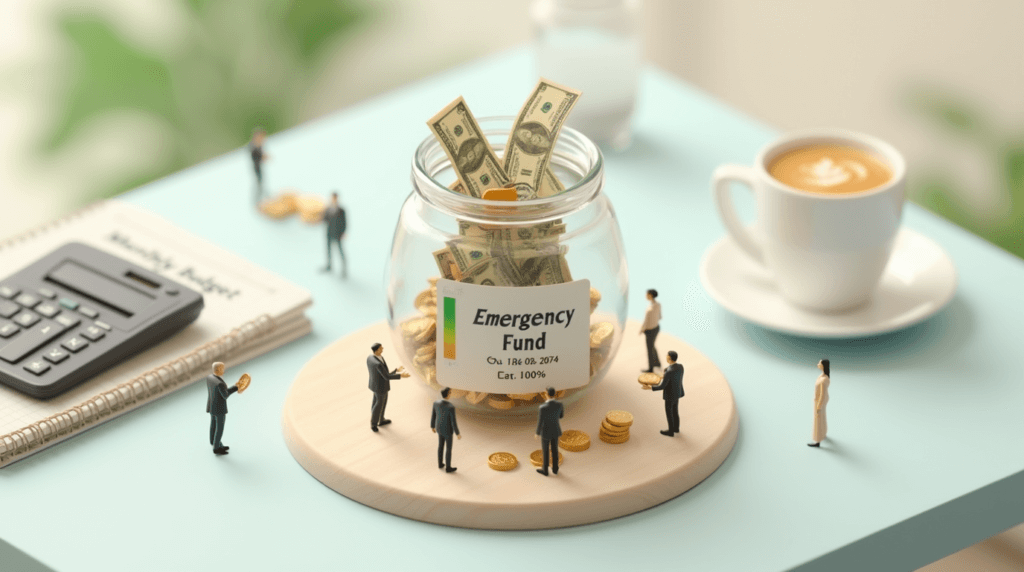
An emergency fund is a pool of money set aside strictly for unexpected expenses. Think car repairs, emergency medical bills, urgent travel, or temporary unemployment. What it’s not meant for? Shopping sales, vacations, or your next phone upgrade. This is your safety net — something you hope you never need but will be grateful for when you do. And no, relying on credit cards is not the same thing. Credit adds to your debt; an emergency fund buys you peace of mind.
If you don’t have an emergency fund, you’re just one crisis away from financial stress. A job loss without savings could mean missed rent, dipping into retirement accounts, or piling on credit card debt. These decisions can snowball into long-term financial damage. On the other hand, having even a small buffer gives you the breathing room to handle a crisis without panic. According to financial experts, having just $500–$1,000 can help you cover the most common small emergencies and avoid taking on high-interest debt.
So how much should you aim to save? A solid emergency fund typically covers three to six months of essential living expenses. That includes things like rent, utilities, groceries, transportation, and basic insurance. If your monthly needs are $2,000, your emergency fund goal should land somewhere between $6,000 and $12,000. However, don’t be discouraged if that number feels out of reach — the key is to start small and stay consistent.
Now, you might be wondering, “How can I save for an emergency fund when I’m already on a tight budget?” The answer lies in smart planning — and one of the easiest tools to use is the 50/30/20 rule. (We covered it in detail in our earlier blog post.) In short, this rule suggests that 50% of your income goes to needs, 30% to wants, and 20% to savings or debt repayment. That 20% portion is exactly where your emergency fund can begin. Even saving 5% of your income is a great start. The goal is progress, not perfection.
When you’re ready to begin, the first thing you should do is open a separate savings account for your emergency fund. Keeping this money in your regular account is too tempting — out of sight, out of mind works best here. If possible, go for a high-yield savings account that earns a bit of interest while you let your money sit safely. Next, set a small initial goal — for example, $500. This bite-sized milestone feels achievable and will build your momentum as you progress.
One of the easiest ways to grow your fund is by automating your savings. Set up a recurring monthly transfer to your emergency account — even if it’s just $25 or $50 to start. You’ll be surprised how quickly it adds up. You can also boost your fund with occasional extras like tax refunds, bonuses, or freelance income. Got a birthday gift or cash-back reward? Toss it into the fund. Every dollar counts.
Need help tracking it all? Don’t worry — we’ve got your back. You can download our free Emergency Fund Tracker in Excel. It allows you to enter your goal, log each monthly contribution, and visually track your progress with an auto-updating percentage and total saved. It’s a simple tool that keeps your motivation high and your goal in sight.
As you build your fund, there are a few things to avoid. Don’t invest this money in stocks or crypto — your emergency fund needs to be liquid and stable, not exposed to market risks. Don’t treat it like a backup vacation fund either. And once it’s used (because emergencies will happen), prioritize rebuilding it as soon as you’re financially able.
So how do you know when your emergency fund is “done”? When you’ve saved enough to cover three to six months of basic living expenses, you’ve reached a strong safety cushion. For example, if your total monthly essentials are $2,000 and you save $6,000, that’s three months of backup — solid protection in most scenarios. If you’re a freelancer or have a variable income, you might aim for the higher end to stay safe during slow seasons.
Lastly, remember this: building an emergency fund is an act of self-care. It gives you choices, security, and confidence. It keeps a bad day from turning into a financial disaster. And once you’ve built your fund, it’s easier to focus on bigger goals — like paying off debt, investing, or saving for a dream vacation. It’s the foundation of financial freedom.
So, start today. Even if it’s just $10. Open a separate savings account. Automate a transfer. Download our tracker. The small step you take today could be the reason future-you sleeps better at night. Emergencies are inevitable — but financial chaos doesn’t have to be.
About The Author